

Fire Ant Control in Dover, DE
Dover's combination of wetlands and farmland creates persistent conditions for fire ants, particularly during the warmer months when activity and colony expansion accelerate. Corbett Pest Control connects Dover property owners—whether in established neighborhoods like Rodney Village or newer developments—with independent local pest control providers who understand the timing and scale of fire ant pressure in this region. Getting professional control in place before colonies become entrenched protects your family, pets, and outdoor spaces from painful stings and expanding infestations.
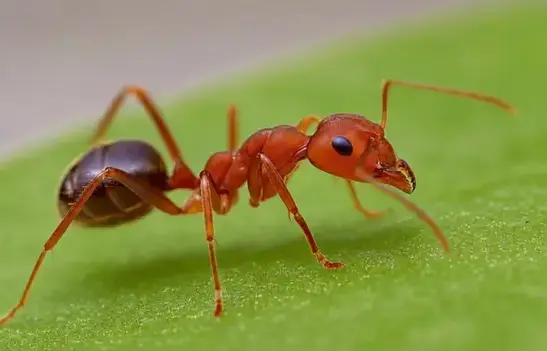
When are fire ants active in Dover, DE?
Two things decide when you see a pest: what the species does, and what the weather here actually does. Below is the published guidance on the first, set against this city's own measured climate.
“Foraging activity slows when soil temperature is lower than 65 to 70 °F or higher than 90 °F.” UGA Extension
“Mating flights are most common in spring and fall.” UGA Extension
Because that is a temperature rule rather than a date, it can be read directly against the local figures below — the months that cross 90 °F are the months when foraging slows at the top end.
Dover averages 10.7 days at or above 90 °F in July — the stretch when UGA's upper limit is being crossed — and 25.1 such days across the year.Source: NOAA 1991-2020 Climate Normals, DOVER, DE US station (1.3 mi from Dover)

Fire Ant Control Solutions for Dover Homeowners
Fire ant infestations pose a serious threat to Dover properties, particularly during the warm months when colony activity peaks. Delaware's seasonal pest pressure, which intensifies from spring through fall, creates ideal conditions for fire ant populations to establish and expand across residential yards, gardens, and outdoor spaces. Once fire ants nest on a property, they become aggressive defenders of their territory, posing risks to family members, pets, and anyone working or playing outdoors. Early intervention is essential—waiting allows colonies to grow larger and spread to multiple locations around your home, making removal far more difficult and costly down the line.
Corbett Pest Control connects Dover homeowners with local independent pest control providers who specialize in fire ant control and understand the unique challenges this pest presents in the region. These providers assess your property thoroughly to locate active nests, determine the extent of infestation, and develop a targeted removal strategy tailored to your situation. Follow-up visits ensure that fire ant populations are eliminated and do not quickly reestablish. By partnering with a local provider through Corbett, you gain access to responsive, knowledgeable service focused specifically on fire ant elimination and long-term management of your property.
Why Dover Homeowners Choose Corbett Fire Ant Control
Fast Local Fire Ant Response
Fire ant colonies grow quickly and pose real risk to families and pets. Corbett connects you with independent local providers who understand Dover's seasonal pest patterns and respond promptly to active infestations.
Clear Communication Throughout Treatment
You'll know what to expect from start to finish. Local fire ant control providers in the Corbett network explain their approach, answer your questions, and keep you informed as treatment progresses.
Thorough Fire Ant Control Plans
Effective fire ant control requires more than a single application. Independent providers connected through Corbett develop tailored plans to address your property's specific infestation and help prevent reinfestation.
Seasonal Pest Pressure in Dover
Fire ant activity intensifies during warmer months, aligning with Dover's peak pest season from spring through fall. Early action by a local provider helps protect your property before populations surge.
How Our Fire Ant Treatment Works
Schedule Your Fire Ant Control Assessment
Contact Corbett Pest Control to describe your fire ant problem and receive a connection to a local Dover pest control provider. They'll arrange a visit to inspect your property and confirm the presence and extent of fire ant activity.
Receive a Fire Ant Control Plan
The local provider will assess your infestation, identify active mounds and entry points, and explain a fire ant control strategy tailored to your property. Since fire ant pressure peaks during warmer months in Delaware, early spring treatment often yields the best results.
Execute Treatment and Monitor Progress
The provider will apply fire ant control measures to target mounds and colonies on your property. Follow-up visits may be scheduled to monitor effectiveness and address any remaining activity, ensuring long-term relief from fire ants.
Ready to get rid of fire ants in Dover? A local provider can get started fast.
Call (302) 244-5911Fire Ant Control Across Dover
Fire ant colonies thrive in Dover's warm growing season, and property characteristics throughout the area influence both the likelihood of infestations and the approach needed to control them. Established neighborhoods with mature landscaping, mulched beds, and lawn irrigation create ideal conditions for fire ants to nest and spread, while newer subdivisions often present different terrain that still requires careful evaluation. The seasonal intensity of pest pressure in Delaware—with spring through fall bringing peak activity—means fire ants are most aggressive during the months when property owners are spending time outdoors, making swift identification and removal critical to prevent stings and colony expansion.
Dover's combination of residential zones, from tree-lined streets in areas like Bicentennial Village to the more open layouts of newer developments, means fire ant colonies can establish themselves in yards of any age or condition. Local pest pressure extends beyond fire ants; the region's wetlands and farmland support populations of other seasonal pests that can complicate property management. Whether you're dealing with an active mound or concerned about prevention, connecting with a local fire ant control provider who understands Dover's specific conditions and seasonal cycles ensures the right strategy for your property.
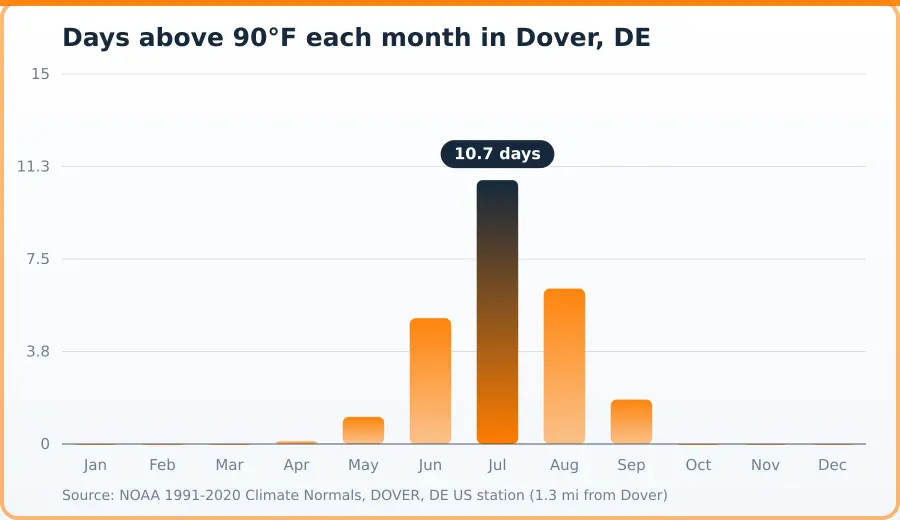
| Period | Days above 90F per month (days) |
|---|---|
| Jan | 0 |
| Feb | 0 |
| Mar | 0 |
| Apr | 0.1 |
| May | 1.1 |
| Jun | 5.1 |
| Jul | 10.7 |
| Aug | 6.3 |
| Sep | 1.8 |
| Oct | 0 |
| Nov | 0 |
| Dec | 0 |
Source: NOAA 1991-2020 Climate Normals, DOVER, DE US station (1.3 mi from Dover). Retrieved October 5, 2026.
Fire Ant Control Through Dover's Four Seasons
Spring: Emergence and Expansion
As soil temperatures warm after April 4, fire ant colonies in Dover emerge from winter dormancy and begin rebuilding nests aggressively. Spring rains support rapid queen egg-laying and worker population growth. Early detection and treatment by local providers prevent colonies from expanding across your property before peak summer activity arrives.
Summer: Peak Aggression
June through August bring Dover's hottest weather—with an average of 10.7 days at or above 90°F in July alone—accelerating fire ant metabolic rates and foraging intensity. Colonies expand fastest during heat, and stings spike as ants defend nests more aggressively. Summer intervention by local pest control providers is critical to reduce population before fall.
Fall: Preparation and Persistence
Fire ants remain highly active through early November, stockpiling resources and expanding territory before the first freeze arrives around November 4. Fall's moderate temperatures keep colonies productive without the extreme heat stress of summer. Professional treatment in autumn eliminates established nests before they overwinter and re-emerge strengthened in spring.
Winter: Survival and Dormancy
Dover winters include an average of 21.6 freezing nights in January, forcing fire ant colonies deep underground into survival mode. While activity slows, nests do not die; queens remain protected in lower soil chambers. Winter is an ideal time for local providers to apply targeted treatments that reach overwintering colonies with minimal disruption to above-ground foraging.
Fire Ant Control FAQs — Dover, DE
Fire ant control typically involves locating active mounds on your property and applying targeted treatments to eliminate the colony. The process may include direct mound treatment, perimeter applications, or baiting systems depending on infestation severity. Local providers connected through Corbett will assess your specific situation and explain the approach before beginning work.
Response times depend on the independent local provider you're connected with and current service demand. Corbett helps match you with fire ant control providers in the Dover area who can typically schedule appointments within days of your request. If you have an active infestation, mention urgency when contacting them.
Pricing for fire ant control depends on factors like the number of mounds on your property, yard size, infestation severity, and the treatment method recommended. Local providers will assess your property and provide pricing details. Contact a Dover-area provider through Corbett for a specific quote based on your situation.
Before fire ant treatment, clear debris and access points around mounds so the provider can work effectively. Remove outdoor toys, pet items, and garden equipment from treated areas. Ask your service provider for specific preparation steps—they may have additional guidance based on your property layout and the treatment method they plan to use.
After professional fire ant control, ongoing monitoring and prompt action on new activity help prevent reinfestation. Maintain your yard by removing standing water, trimming vegetation, and sealing cracks where ants might enter your home. Your local provider may recommend follow-up treatments or preventive measures specific to your Dover property.
Fire ant activity peaks during warmer months, particularly spring through fall when temperatures favor colony growth and foraging. Delaware's seasonal pest pressure can remain elevated throughout this period. Early detection and treatment during these active months is most effective; contact a Dover-area provider as soon as you notice mound activity.
Related Services
Homeowner Safety Toolkit
Verify Your Dover, DE Pest Control Company
Before you hire anyone, use these independent national resources to confirm credentials, standards, and track record.
EPA
The federal government's own guide to choosing a pest control method and using pesticides safely around your home and family.
Pesticide Safety GuideNPIC
A free, independent hotline run jointly with the EPA and staffed by specialists who can answer specific questions about a pesticide or treatment method before you agree to it.
Ask a QuestionBBB
Look up any pest control company's complaint history, customer reviews, and accreditation status — a free, independent check before you hire.
Check StandingDealing with fire ants in Dover? Get fast, targeted treatment from a local provider.
Call (302) 244-5911Areas We Serve in Dover, Delaware
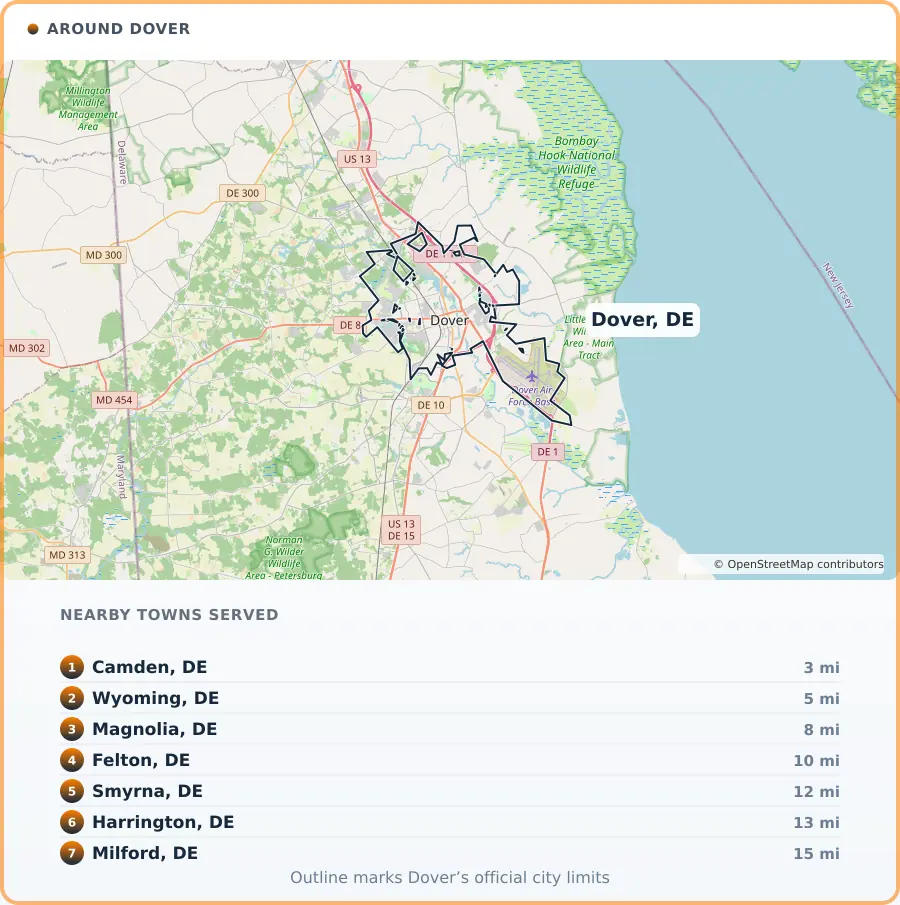
Dover, DE is the centre of the service area, which extends to 7 surrounding towns. The map shows how far that reaches.
Dover, DE Information
Dover carries itself with the quiet confidence of a capital city, even at a population of around 39,000. As Delaware's seat of government, it draws much of its daily rhythm from state offices and from Dover Air Force Base, one of the area's largest employers, giving the community a steady, service-driven backbone. Healthcare, higher education, agriculture, and manufacturing fill out the local economy, while Dover Downs Hotel & Casino keeps a steady flow of visitors passing through.
Neighborhoods like Silver Lake and Rodney Village reflect the city's easy, settled pace, where tree-lined streets sit minutes from downtown's civic buildings and farmland still rolls out toward the edges of town. It's a city built on public service and plain hard work, with small-town warmth close behind.
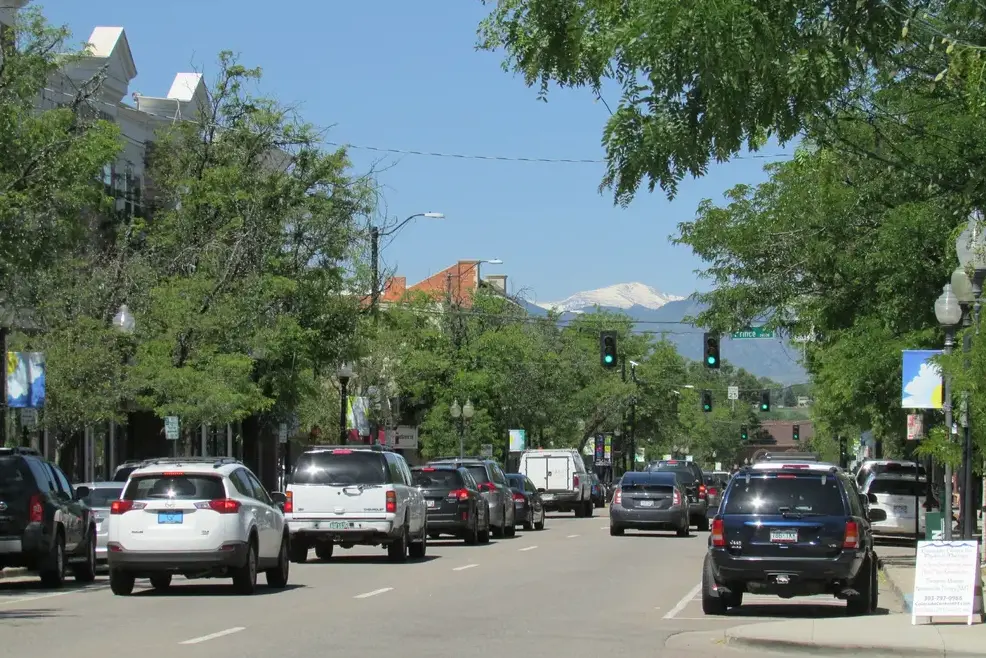
Photo: Chris Light, CC BY-SA 4.0